
Description
Product Overview
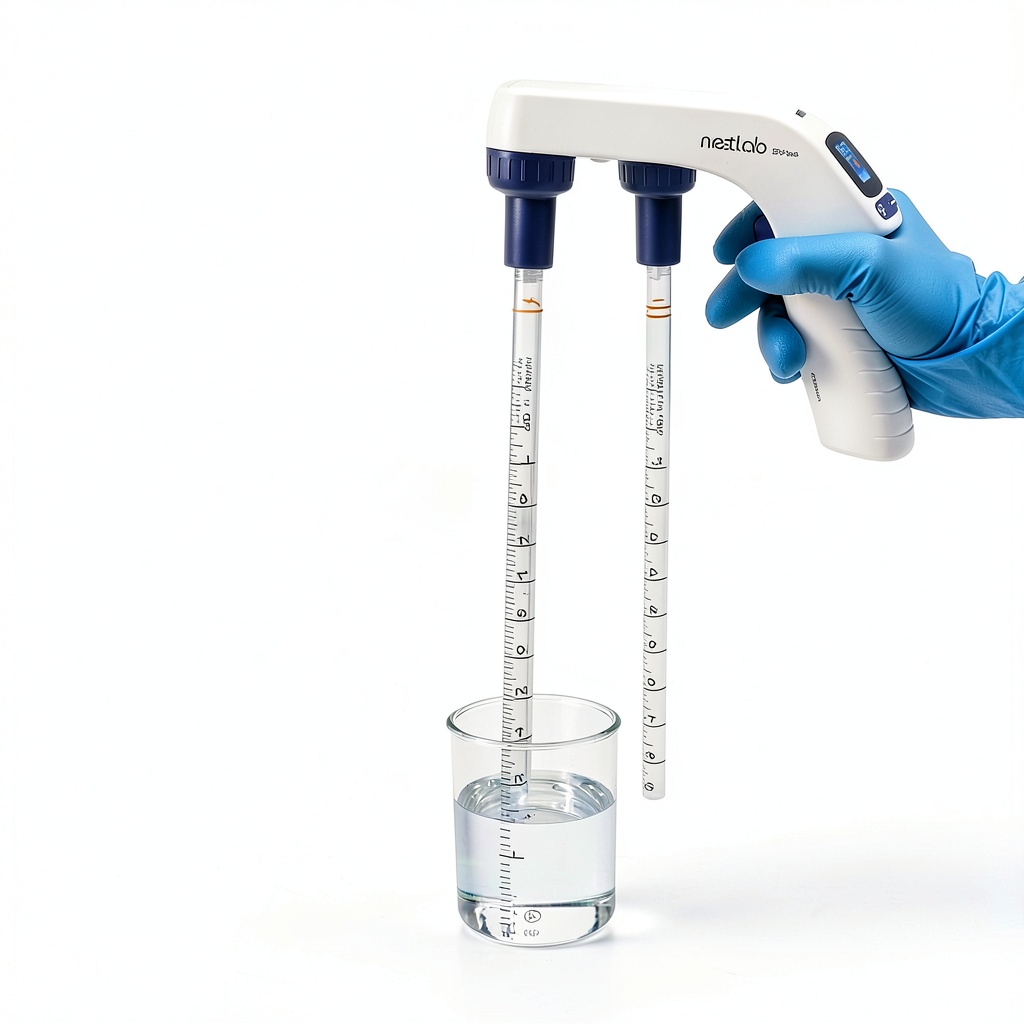
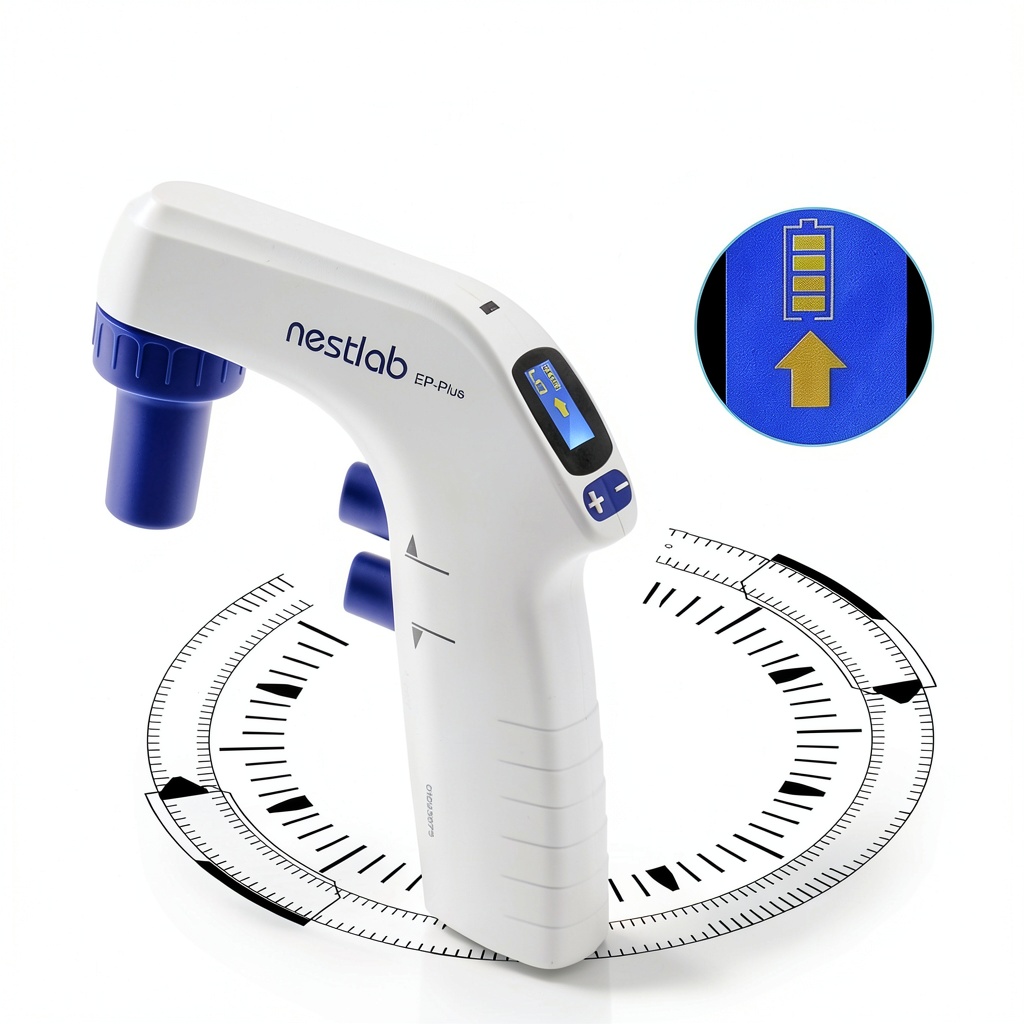
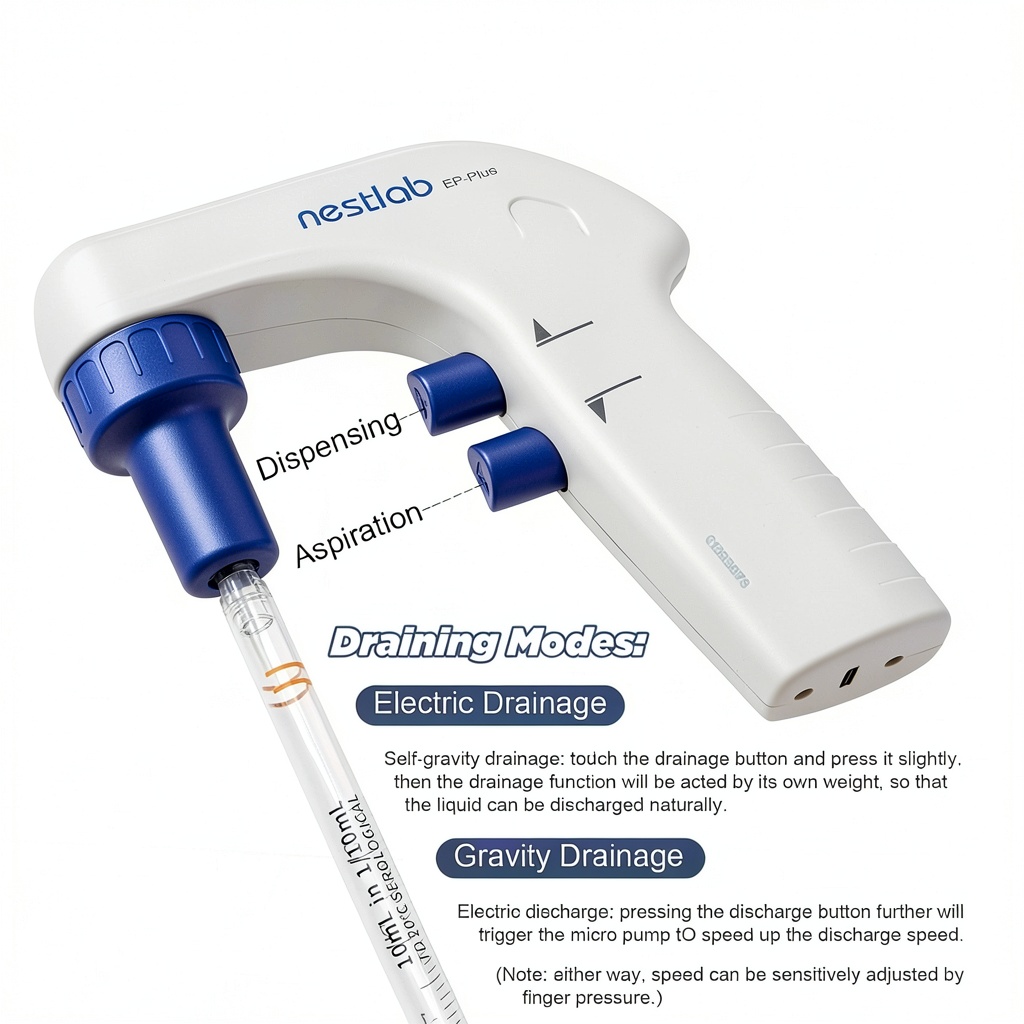
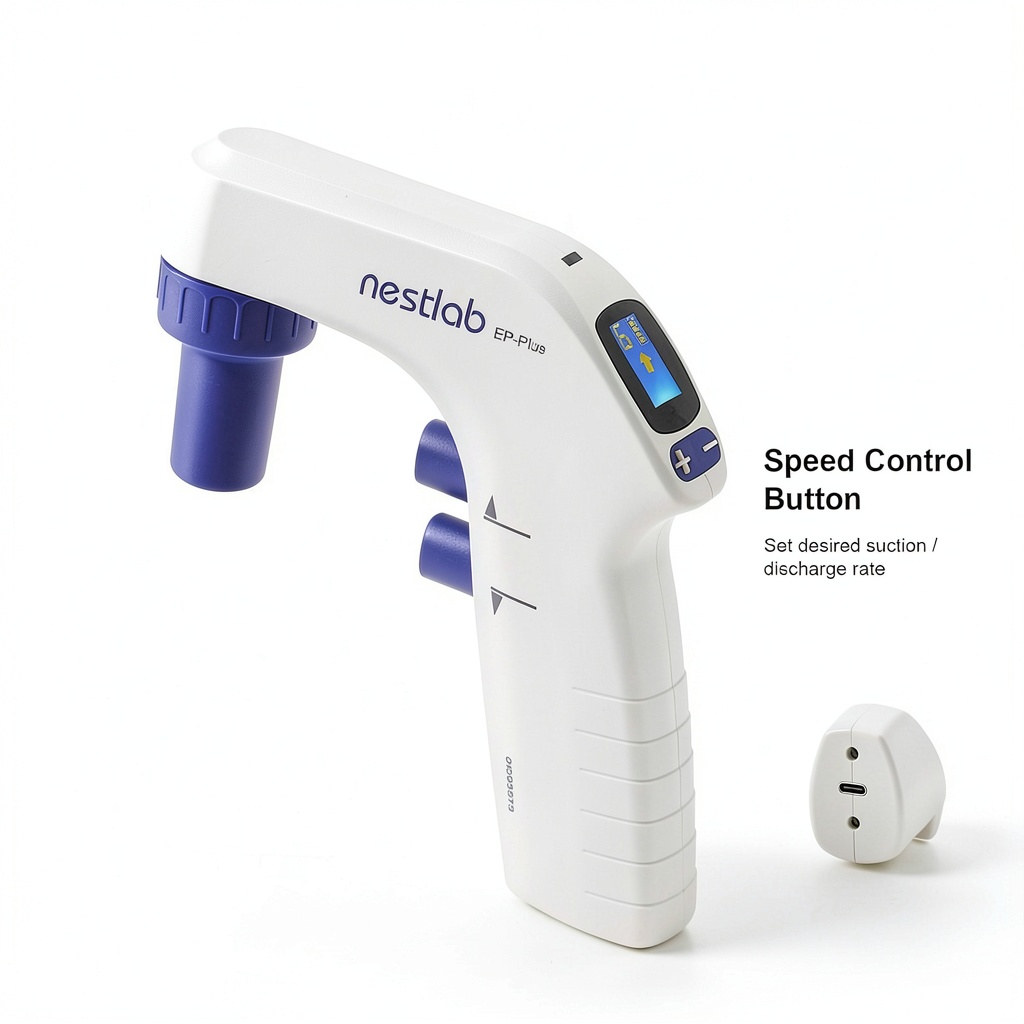
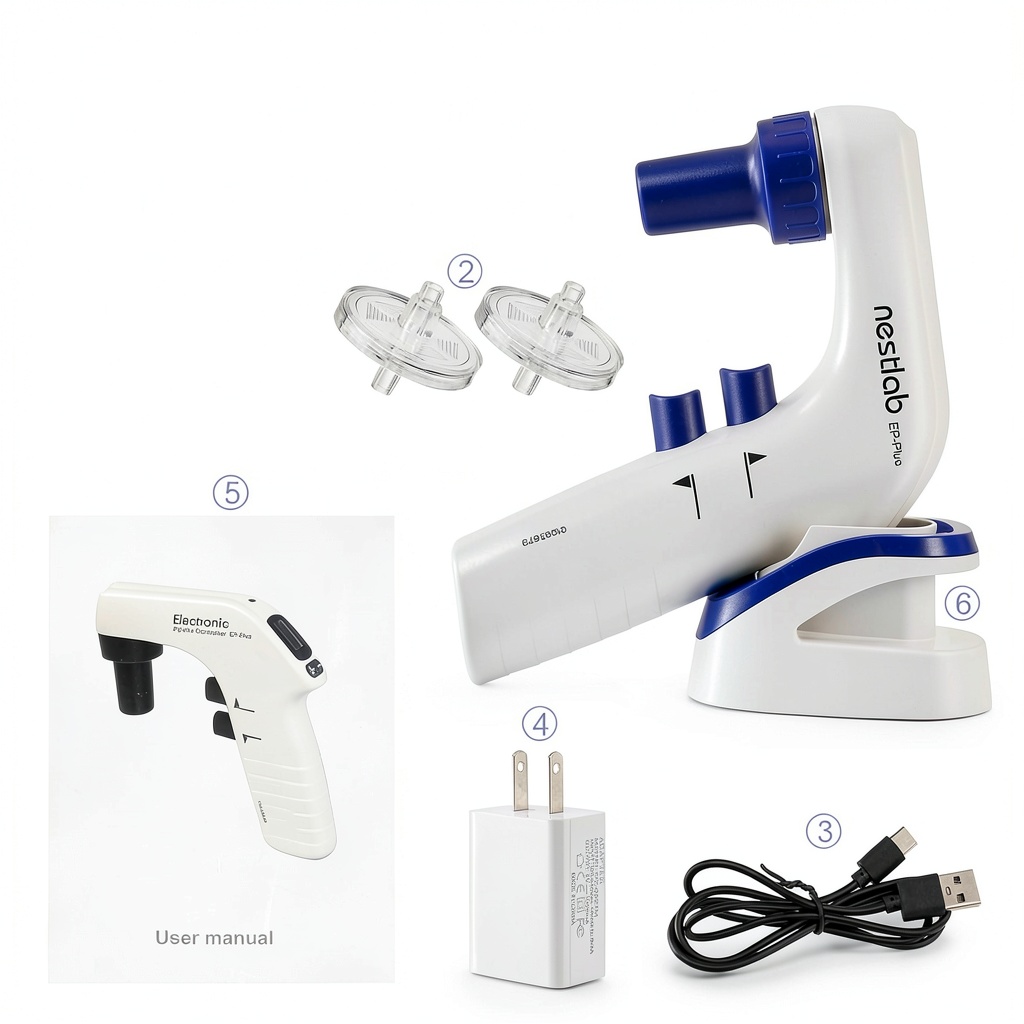
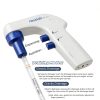
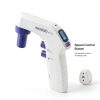
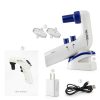
The nestlab Lab Electric Pipette Controller EP‑Plus is engineered to meet the demanding standards of modern research laboratories. With a compact footprint of 8.66 × 7.72 × 2.8 inches and a lightweight design of just 1.12 pounds, the device fits comfortably on any bench without sacrificing stability. An intuitive LCD screen provides real‑time feedback on volume settings, speed selection, and battery status, allowing users to adjust parameters with a single touch. The controller supports a wide dispensing range from 0.1 ml up to 100 ml, covering most routine pipetting tasks in chemistry, biology, and environmental testing. Six adjustable speed settings enable fine‑tuned control for viscous liquids, delicate reagents, or high‑throughput workflows. Dual drainage modes—gravity‑drainage for passive flow and power‑drainage for active expulsion—give flexibility when handling volatile or hazardous samples. Powered by a built‑in lithium‑ion battery, the unit delivers up to 500 operations per charge, eliminating the need for external power cords and reducing clutter. The EP‑Plus model complies with international safety standards and carries the nestlab reputation for durability, precision engineering, and user‑centric design.
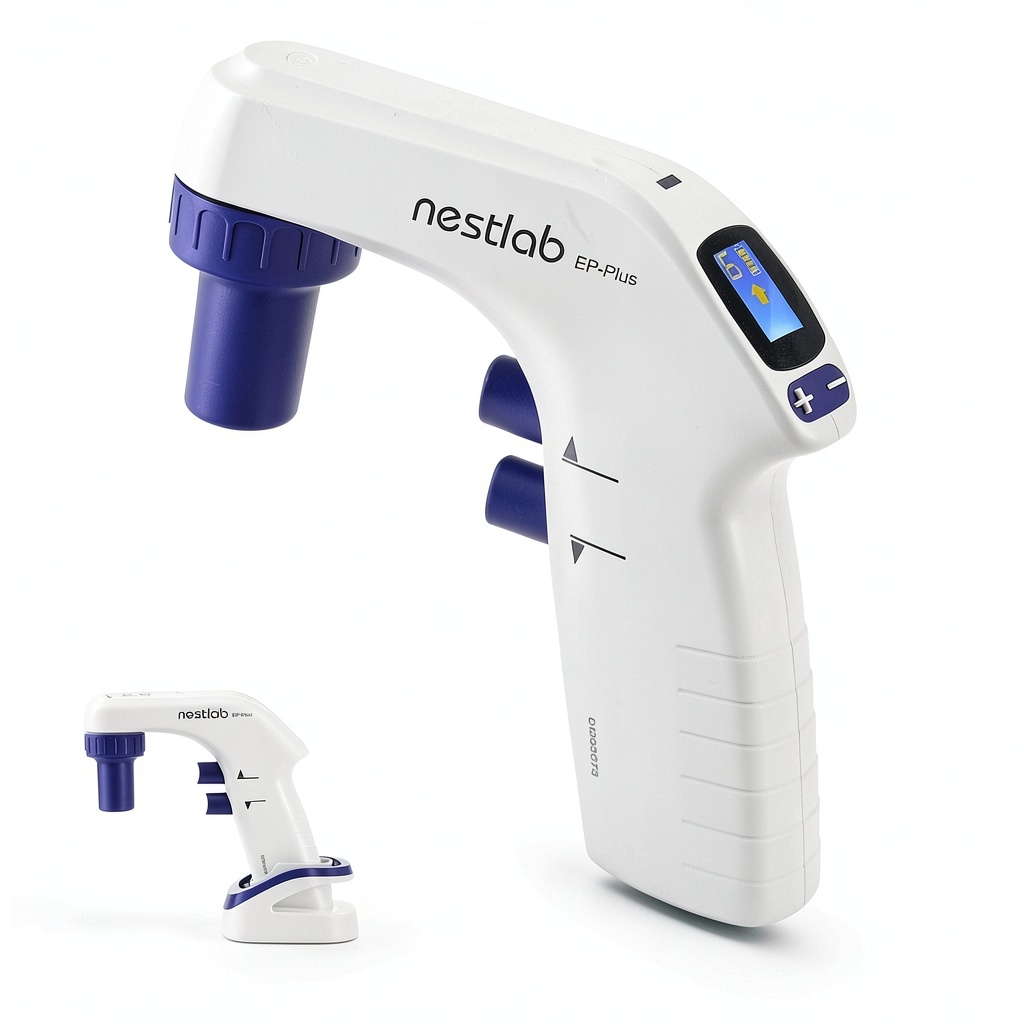
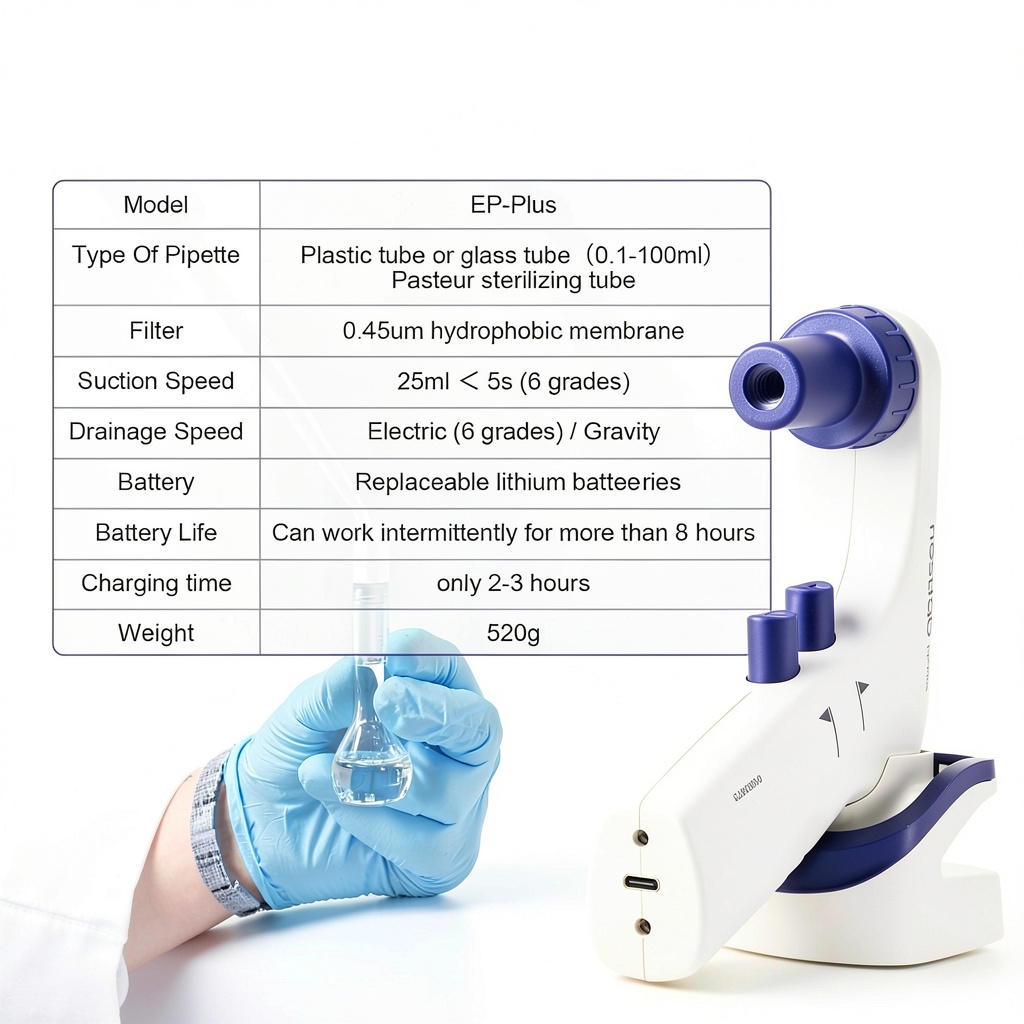
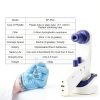
Technical specifications of the EP‑Plus model are summarized below: overall dimensions measure 8.66 in (220 mm) in width, 7.72 in (196 mm) in depth, and 2.8 in (71 mm) in height, making it compact enough to fit into standard laboratory drawers. The unit weighs only 1.12 lb (0.51 kg), contributing to easy portability. The integrated lithium‑ion battery has a capacity of 1500 mAh, delivering up to 500 dispensing cycles per full charge and supporting fast charging at 1 A via the USB‑C port. The LCD display is a 2.4‑inch back‑lit panel with a resolution of 240 × 320 pixels, providing clear readouts of volume (0.1‑100 ml), speed level, and battery percentage. The controller operates on a voltage range of 5 V to 12 V, compatible with both AC adapters and the internal battery. Accuracy is guaranteed within ±0.5 % of the set volume across the entire range, and repeatability is maintained at ±0.2 % for consecutive draws. The device complies with CE marking requirements and is certified for electromagnetic compatibility (EMC) under IEC 60601‑1 standards. All components are manufactured in accordance with ISO 13485 quality management protocols, ensuring traceability and reliability for critical laboratory applications.
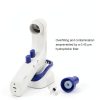
Ergonomics have been a central focus in the EP‑Plus design, with a balanced weight distribution that reduces wrist strain during repetitive pipetting tasks. The grip surface is coated with a soft‑touch polymer that provides a secure hold even when gloved, while the detachable tip holder features a quick‑release latch for fast tip changes. The LCD panel is positioned at an optimal angle of 30 degrees, ensuring that users can read settings without bending their neck, which is especially important during extended sessions. All external seams are sealed to prevent ingress of liquids, and the device meets IP‑54 ingress protection standards, offering resistance to splashing water and dust. The modular architecture allows for easy servicing; the motor assembly, battery pack, and LCD module can be individually replaced, extending the overall lifespan of the instrument and reducing total cost of ownership.
Usage
Designed for laboratory professionals, the controller excels in routine sample preparation, assay setup, and quality‑control procedures. Researchers in molecular biology can use the device to dispense exact volumes of enzymes, buffers, and nucleic acids, ensuring reproducibility across experiments. In analytical chemistry, the controller’s rapid speed adjustments facilitate the handling of high‑viscosity solvents and corrosive acids while maintaining accuracy. The dual drainage system is particularly valuable in microbiology labs where sterile technique is essential; gravity mode allows gentle release of culture media, whereas power mode quickly clears contaminated tips. The rechargeable battery supports uninterrupted operation during long shifts, and the LCD interface simplifies training for new personnel. Whether mounted on a bench, integrated into a robotic workstation, or used in field‑based portable labs, the pipette controller adapts to diverse environments without compromising performance.
In pharmaceutical quality‑control labs, the controller simplifies the preparation of standard curves for assay validation, allowing technicians to dispense precise volumes of reference standards with minimal variance. The rapid speed selection is advantageous when working with viscous excipients such as glycerol or propylene glycol, where slower settings prevent splashing and ensure accurate dosing. For cell culture applications, the gentle gravity‑drainage mode minimizes shear stress on delicate cell suspensions, preserving viability during media exchanges. The controller’s battery endurance is particularly beneficial in field‑based environmental testing, where power outlets may be scarce; users can perform on‑site sample extractions and reagent additions for water quality analysis without interruption. Moreover, the device’s intuitive interface reduces the learning curve for students and interns, fostering consistent technique across teams. Compatibility with a wide range of tip sizes also means the same instrument can be employed across multiple protocols, from micro‑volume PCR setups to macro‑scale titrations, streamlining inventory management and reducing equipment costs.
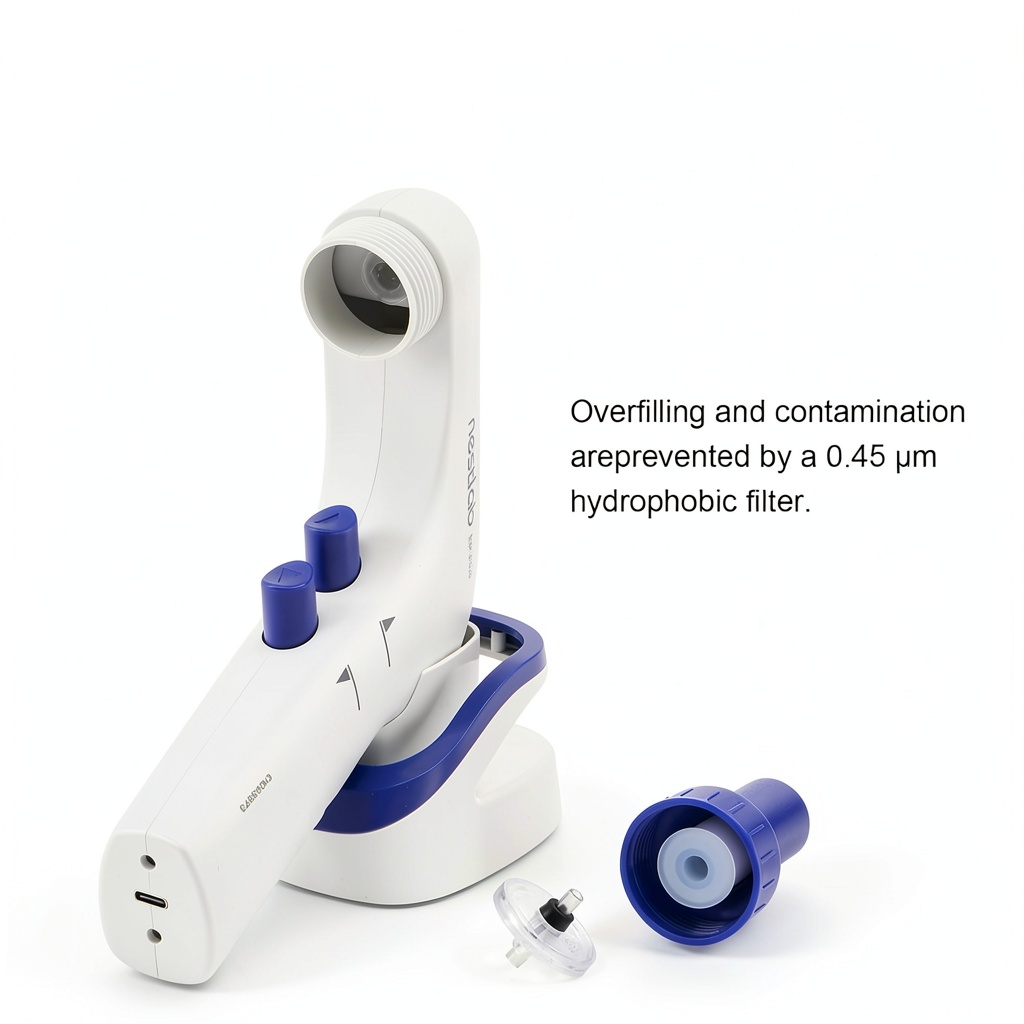
For analytical titration procedures, the EP‑Plus controller enables precise delivery of titrant solutions at incremental volumes, reducing the risk of overshoot and improving endpoint detection. The six speed settings allow users to select a slow, controlled flow when adding acidic or basic reagents to sensitive reactions, while the faster modes are ideal for bulk transfers of solvents such as methanol or acetonitrile. In genomics workflows, the device’s ability to handle volumes as low as 0.1 ml ensures accurate preparation of library mixes and sequencing buffers, where even minor deviations can affect downstream data quality. The dual drainage options also simplify cleanup; after a run, the power‑drainage mode can quickly purge residual liquid from the tip, preparing it for the next sample without manual wiping. Laboratories that operate under strict biosafety level (BSL) conditions appreciate the sealed motor and closed‑loop design, which prevent aerosol generation and protect both the instrument and the operator. The rechargeable battery further enhances safety by eliminating the need for external power cords that could become entangled or pose tripping hazards in crowded bench spaces.
Routine maintenance of the EP‑Plus controller is straightforward and requires minimal downtime. After each use, the tip holder should be removed and rinsed with appropriate cleaning solutions; the internal fluid path can be flushed using distilled water followed by a brief air‑dry cycle to prevent residue buildup. The LCD screen can be wiped with a soft, lint‑free cloth dampened with isopropyl alcohol to remove fingerprints without damaging the back‑light. The battery health can be monitored through the LCD indicator, which displays charge level and alerts the user when the battery approaches the end‑of‑life threshold. When the battery capacity falls below 20 %, a replacement pack can be ordered from Nestlab’s parts catalog and installed without tools, thanks to the tool‑free snap‑in design. The motor and electronic components are sealed against moisture, allowing the controller to operate reliably even in humid environments common to microbiology labs. By following the recommended cleaning schedule, laboratories can maintain the instrument’s accuracy and extend its service life for many years.
Why Choose Us
Nestlab’s commitment to quality is reflected in its adherence to ISO 9001 and ISO 13485 standards, ensuring that every unit undergoes systematic quality control from component sourcing to final assembly. The EP‑Plus controller is subjected to a 10,000‑cycle endurance test that simulates continuous operation under typical laboratory conditions, verifying that the motor, LCD, and battery maintain performance over time. Materials are selected for biocompatibility and resistance to corrosion, with the internal fluid path coated in a PTFE‑based polymer that prevents leaching and cross‑contamination. Environmental responsibility is also a priority; the device is RoHS‑compliant, free from hazardous substances such as lead and mercury, and the packaging is made from recyclable cardboard with minimal plastic. Customers benefit from a dedicated online portal where they can download calibration certificates, user guides, and troubleshooting videos, as well as submit service requests that are typically resolved within 48 hours. This comprehensive support ecosystem minimizes downtime and maximizes return on investment for laboratories of all sizes.
In addition to its robust construction, the EP‑Plus controller offers a user‑friendly software ecosystem that streamlines method development and data logging. The companion desktop application, compatible with Windows 10 and later, allows users to create custom dispensing protocols, store frequently used settings, and export operation logs in CSV format for audit trails. Firmware updates are delivered over the USB‑C connection, enabling seamless integration of new features such as wireless Bluetooth connectivity or expanded tip compatibility without the need for additional hardware. Nestlab also provides a calibration service, where certified technicians can perform on‑site verification and adjustment to maintain the instrument’s ±0.5 % accuracy specification. This service is included in the first year of ownership and can be extended through a maintenance contract. By investing in the EP‑Plus, laboratories gain not only a high‑performance pipetting tool but also a long‑term partnership that supports continuous improvement and compliance with evolving regulatory standards.
Sustainability is integrated into the EP‑Plus’s lifecycle, from the selection of recyclable materials to the energy‑efficient design of its electronics. The ABS housing is manufactured from a high‑recycled‑content polymer, and the packaging uses 100 % post‑consumer cardboard, reducing waste and carbon footprint. The low‑power motor and LCD display consume minimal energy, extending battery life and decreasing the frequency of battery replacements. Nestlab also offers a take‑back program for end‑of‑life units, ensuring that electronic components are responsibly recycled in accordance with WEEE directives. This environmentally conscious approach aligns with the growing demand for green laboratory practices and helps institutions meet their sustainability goals while still benefiting from cutting‑edge pipetting technology.
Key Features
- Compact size and lightweight design free up valuable bench space while maintaining stability.
- LCD screen delivers clear, real‑time information on volume, speed, and battery life for effortless operation.
- Six adjustable speed levels provide precise control for a variety of liquid viscosities and sensitivities.
- Dual drainage modes—gravity and power—offer flexibility for both gentle and rapid liquid expulsion.
- Built‑in rechargeable lithium‑ion battery ensures up to 500 cycles per charge, reducing downtime and operating costs.
FAQ
What types of liquids can the controller handle?
The device is suitable for aqueous solutions, organic solvents, viscous reagents, and even hazardous chemicals, thanks to its sealed motor and interchangeable tip adapters.
How long does the battery last under typical use?
With standard dispensing cycles, the lithium‑ion battery provides approximately 500 operations before requiring a recharge, which takes about two hours using the supplied charger.
Can the controller be integrated with automated systems?
Yes, the EP‑Plus includes a communication port that allows connection to laboratory information management systems (LIMS) and robotic platforms for seamless workflow integration.
Is calibration required?
The controller is factory‑calibrated for accuracy across the 0.1‑100 ml range; however, periodic verification using certified reference standards is recommended for critical applications.
What warranty and support are offered?
Nestlab provides a one‑year limited warranty covering manufacturing defects, along with access to online resources, firmware upgrades, and a responsive customer service team.

 Historical German Biographies: A Comprehensive Insight into the Past
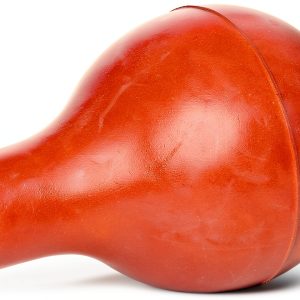 Heathrow Scientific HS20630D Rubber Bulb for Pipette & Syringe, 60ml
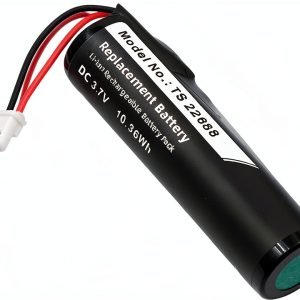 Upgrade Battery TAWUZUOR for S1 Pipet Filler TS 22688 2800mAh 3.7V
Reviews
There are no reviews yet.